
Is It Better to Build a Home Addition or Move to a Bigger House?
For homeowners who like their location but need more space, building a home addition can be a better choice than moving. An addition allows you to customize your existing home, avoid the costs and disruption of relocating, and stay in a neighborhood you already enjoy. Moving may make more sense when the home’s location, lot, layout, or overall condition no longer meets your long-term needs.
At Lone Star Boys Contracting, we understand that deciding between expanding your home and moving is about much more than square footage. Your home is where routines, memories, and family life take shape. Our team helps homeowners explore remodeling and home addition possibilities with practical guidance, quality craftsmanship, and careful attention to how the finished space will function. Whether you need another bedroom, a larger living area, a home office, or space for a growing family, the goal is to create an addition that feels like it has always belonged to your home.
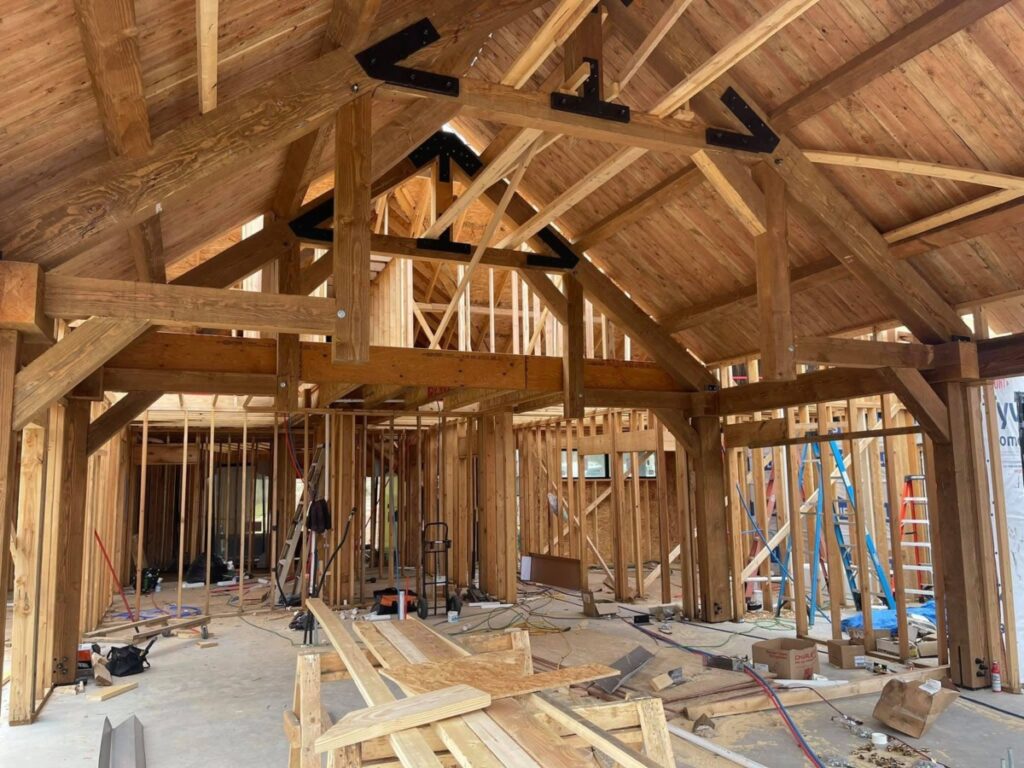
Home Addition vs. Moving: Which Makes More Sense?
The best choice depends on what you dislike about your current home. If the main problem is simply a lack of usable space, a home addition may solve it without requiring you to give up everything you already like about the property. If several fundamental things about the home or neighborhood no longer work for you, moving may be the stronger long-term solution.
Remodeling has become an increasingly important option for homeowners who want their existing homes to better fit their needs. According to the National Association of Home Builders (NAHB), roughly 20 million U.S. households undertook home improvements in 2024, with an estimated $670 billion spent on remodeling projects. NAHB also found that families with children are investing heavily in larger projects, including home additions, as their space needs change.
When Does Building a Home Addition Make Sense?
A home addition makes the most sense when you are happy with your property and location but have outgrown the home’s existing footprint.
Instead of searching for another house that checks every box, you can create the space you actually need. Common home addition projects include:
- Primary bedroom suites
- Extra bedrooms and bathrooms
- Expanded kitchens and living rooms
- Home offices
- Guest suites
- Family or entertainment rooms
- Multigenerational living spaces
- Mudrooms and utility areas
An addition can be especially appealing if you have invested years into landscaping, interior improvements, neighborhood relationships, schools, or other aspects of your current location.
The trend toward improving existing homes remains strong. NAHB reported in 2026 that elevated mortgage rates and limited for-sale inventory have encouraged many homeowners to invest in the homes they already own instead of moving. Room additions were also among the five most common remodeling projects reported by NAHB remodelers for 2025.
What Should You Consider Before Choosing an Addition?
Before deciding to expand, determine whether your property can comfortably support the additional space and whether the investment aligns with your long-term plans.
A professional contractor can help you evaluate important considerations such as:
- Available lot space: Your property needs enough usable area for the proposed addition while meeting applicable setback and building requirements.
- Existing home layout: The new space should connect naturally to the current floor plan rather than creating awkward traffic patterns.
- Structural requirements: Foundations, framing, rooflines, electrical systems, plumbing, and HVAC may need to be modified or expanded.
- Budget: Compare the complete projected cost of an addition with the financial impact of selling, purchasing, and moving.
- Long-term plans: An addition often makes more sense when you expect to remain in the home for several years.
Good planning is particularly important because an addition affects more than one room. The best additions improve the flow and usefulness of the entire house.
Is Adding Onto Your Home Better Than Buying a Bigger House?
Adding onto your home can be better than buying a larger house when your current location already meets your needs and additional square footage would solve your biggest problem.
Moving involves expenses beyond the purchase price of another home. Depending on the situation, homeowners may encounter real estate commissions, closing costs, moving expenses, repairs or improvements needed before selling, and updates required after purchasing the next property. A different home may also come with a different mortgage rate and monthly payment.
This is one reason remodeling continues to attract homeowners. NAHB reported in February 2026 that the mortgage-rate “lock-in effect” was still encouraging some homeowners to pursue remodeling before considering a sale. The organization forecasts inflation-adjusted residential remodeling activity to grow 3% in 2026 and another 2% in 2027.
An addition also gives you greater control. Instead of compromising on someone else’s floor plan, you can design the new space around how your household actually lives.
When Is Moving the Better Choice?
Moving may be the better option when adding space will not address the fundamental reasons you are unhappy with your home.
For example, consider moving if:
- You no longer like the neighborhood or location.
- Your commute or daily travel has become inconvenient.
- You need substantially more property or outdoor space.
- The home’s existing condition requires extensive repairs in addition to an expansion.
- Lot restrictions make the desired addition impractical.
- The existing floor plan cannot be adapted effectively.
- Your long-term needs would require changes beyond a reasonable remodeling scope.
It is important to separate problems that can be solved through construction from problems that cannot. A contractor can help determine what is physically possible, while your family can decide whether those improvements would make you genuinely happy to stay.
How Do You Decide Between Remodeling and Moving?
Start by asking whether you would want to stay in your current home if it had enough space. If the answer is yes, exploring a home addition is worthwhile.
Consider these questions:
- What specifically feels too small or inconvenient?
- How much additional space do we actually need?
- Could an addition improve several problems at once?
- Do we like our current neighborhood?
- How long do we expect to stay?
- What would moving realistically cost?
- Would we have to remodel a new home anyway?
Also think beyond your immediate needs. A flexible room might serve as a playroom today, a home office later, and a guest or accessible living space in the future.
According to the 2026 U.S. Houzz & Home Study, more than half of surveyed homeowners renovated in 2025, while half planned projects for 2026. NAHB also reports that America’s owner-occupied housing stock has a median age of 42 years, which is helping drive continued demand for remodeling and improvements rather than replacement.
Frequently Asked Questions About Home Additions
Is a home addition worth it?
A home addition can be worthwhile when it provides needed living space, improves functionality, and allows you to remain in a home and location you already value. The project’s value should be considered in terms of both potential resale appeal and the years of additional use your household will receive.
Is it cheaper to add onto a house or move?
There is no universal answer. The cost depends on the size and complexity of the addition, local construction costs, your home’s condition, the price of suitable replacement homes, moving expenses, financing, and transaction costs.
What type of home addition adds the most useful space?
Bedrooms, bathrooms, primary suites, family rooms, kitchen expansions, home offices, and flexible living spaces can all provide significant everyday value. The best addition is one designed around a household’s actual space needs rather than simply adding square footage.
Should I talk to a contractor before deciding to move?
Yes. A remodeling contractor can help you understand what is realistically possible with your existing home and property. Having a clearer picture of potential layouts, construction requirements, and project scope makes it easier to compare expanding with moving.
Make the Home You Love Work Better for You
Needing more space does not automatically mean you need a new address. If you love your neighborhood and your home still has the potential to meet your long-term needs, a thoughtfully designed addition can give you more room while preserving everything you already enjoy about where you live.
Ready to explore a home addition? Contact Lone Star Boys Contracting today to discuss how we can help create the extra space your home needs.