
What Questions Should You Ask Before Starting a Bathroom Remodel?
Before starting a bathroom remodel, homeowners should ask questions about their budget, layout, storage needs, material selections, project timeline, and contractor qualifications. Understanding these details early helps prevent unexpected expenses, delays, and design regrets. A successful bathroom renovation begins with a clear plan that balances functionality, appearance, and long-term value.
Bathroom remodeling is an exciting opportunity to improve one of the most frequently used spaces in your home. However, making decisions about everything from plumbing fixtures to tile selections can feel overwhelming without a clear direction. At Lone Star Boys Contracting, we believe thoughtful planning is the foundation of a successful remodeling experience. Our team works with homeowners to understand their goals, identify practical solutions, and create bathrooms that combine comfort, functionality, and beautiful design. Whether you’re considering a complete bathroom transformation or updating an outdated space, asking the right questions before construction begins can make the process smoother. By establishing priorities and understanding your options, you can approach your bathroom remodel with greater confidence and fewer surprises.
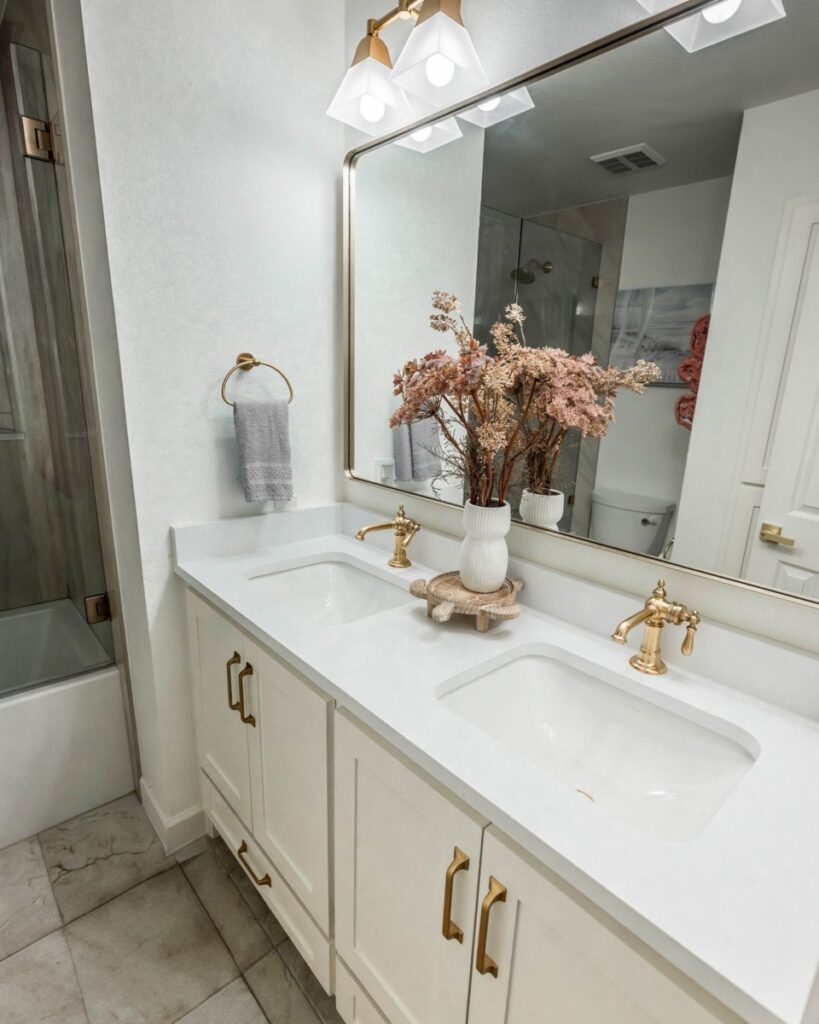
Essential Bathroom Remodel Planning Questions Every Homeowner Should Consider
A bathroom remodel involves several interconnected decisions. Your budget influences material selections, your layout affects plumbing requirements, and your design choices can impact the overall construction timeline.
Addressing these considerations before beginning your renovation helps establish realistic expectations and keeps the project focused on your goals.
1. What Is My Budget for a Bathroom Remodel?
Establishing a realistic budget is one of the most important steps in bathroom remodel planning.
Your budget should account for materials, labor, plumbing, electrical work, fixtures, and any necessary structural modifications. It should also include a contingency for unexpected conditions discovered during construction.
Bathroom remodeling costs vary depending on the size of the space, the quality of materials, and the extent of the renovation.
Before requesting estimates, consider these questions:
- Am I planning a cosmetic update or a complete bathroom renovation?
- Which features are most important to me?
- Am I willing to invest in custom cabinetry or premium materials?
- Does my budget allow for plumbing or layout changes?
- Have I reserved funds for unexpected repairs?
For many homeowners, keeping the existing plumbing layout can help control remodeling costs.
It is also helpful to distinguish between must-have features and optional upgrades. This allows you to prioritize improvements that will make the biggest difference in your daily routine.
2. Should I Change My Bathroom Layout or Keep the Existing Design?
Keeping your existing bathroom layout is often more cost-effective, but changing the layout may be worthwhile if the current space does not function well.
Moving a toilet, shower, or bathtub can require additional plumbing work and potentially modifications to flooring, walls, or structural components.
Before deciding, evaluate how you currently use the bathroom.
Ask yourself:
- Is the shower large enough?
- Do I need a bathtub, or would a walk-in shower be more practical?
- Is there enough space around the toilet and vanity?
- Would a double vanity improve the morning routine?
- Could the bathroom benefit from better storage or accessibility?
For example, replacing a traditional bathtub with a walk-in shower may create a more open and convenient space.
A curbless shower can also be worth considering for homeowners who want easier access and a streamlined appearance. However, these installations require careful planning for waterproofing, drainage, and floor slope.
The best layout is one that supports your daily needs while making efficient use of the available space.
3. Which Bathroom Materials and Features Should I Choose?
Bathroom materials should be selected based on durability, maintenance requirements, appearance, and budget.
Because bathrooms experience regular moisture and humidity, choosing products designed for these conditions is especially important.
Several major selections deserve careful consideration.
Flooring: Porcelain and ceramic tile are common choices because they are durable and water-resistant. Slip resistance is particularly important for bathroom floors.
Vanities: Consider storage capacity, cabinet construction, countertop material, and available space. White oak vanities, painted cabinetry, and floating vanities offer different design possibilities.
Showers and bathtubs: Decide whether you prefer a walk-in shower, freestanding tub, shower-tub combination, or another configuration.
Countertops: Quartz is a popular low-maintenance option, while natural stone offers distinctive patterns and textures.
Lighting: Layered lighting around mirrors, overhead fixtures, and showers can improve both visibility and atmosphere.
When choosing materials, think about how they will perform over time.
A beautiful tile or fixture may look impressive in a showroom, but it should also be practical for your household’s cleaning habits and daily use.
4. How Long Will My Bathroom Remodel Take?
A bathroom remodel can take several weeks or longer, depending on the project’s complexity, material availability, inspections, and unexpected repairs.
Simple cosmetic improvements generally require less time than renovations involving plumbing relocation, custom cabinetry, extensive tile work, or structural changes.
Before construction begins, ask your contractor about the anticipated schedule and factors that could affect completion.
Important questions include:
- When is the expected start date?
- How long is construction estimated to take?
- Will materials be ordered before demolition begins?
- Are permits or inspections required?
- What happens if hidden water damage is discovered?
- Will the bathroom remain usable during construction?
If your home has only one bathroom, planning for temporary arrangements is especially important.
Ordering materials early can help reduce delays caused by unavailable fixtures, cabinetry, or specialty tile.
Although no contractor can guarantee that every renovation will proceed without complications, clear communication and realistic scheduling can make the experience easier to manage.
5. What Should I Ask a Bathroom Remodeling Contractor Before Hiring Them?
Choosing the right contractor is essential because workmanship, communication, and project management all influence the finished bathroom.
A qualified remodeling contractor should be able to explain the proposed scope of work, discuss potential challenges, and provide clear expectations before construction begins.
Consider asking the following questions:
- Do you have experience with bathroom remodeling projects similar to mine?
- Can I see examples of your completed bathroom renovations?
- What is included in the written estimate?
- How are unexpected repairs or project changes handled?
- Who will oversee the project and communicate updates?
- What permits are required, and who is responsible for obtaining them?
- What warranties apply to the workmanship and installed materials?
- How will my home be protected during construction?
It is also important to verify appropriate insurance and any licenses required for the work being performed.
Pay attention to how thoroughly a contractor answers your questions. Clear communication during the planning stage can be a useful indicator of how the project will be managed.
A detailed written agreement should outline the scope, materials, payment terms, and procedures for changes.
Frequently Asked Questions About Bathroom Remodel Planning
What Should I Decide First When Remodeling a Bathroom?
Start by identifying your main goals and establishing a realistic budget. Determine whether your priorities include better storage, improved accessibility, updated finishes, or a complete layout change.
What Is the Most Expensive Part of a Bathroom Remodel?
Costs vary by project, but extensive labor, plumbing relocation, custom cabinetry, and detailed shower installations can represent significant expenses. The overall cost depends on the scope of work and selected materials.
Should I Buy Bathroom Fixtures Before Hiring a Contractor?
It is usually best to discuss major fixtures with your contractor before purchasing them. Your contractor can help verify measurements, plumbing compatibility, installation requirements, and whether the products fit the planned layout.
How Can I Avoid Mistakes During a Bathroom Renovation?
Create a clear budget, finalize major design decisions early, select appropriate materials, and work with an experienced remodeling contractor. Maintaining open communication throughout the project can also help prevent misunderstandings and unexpected changes.
Start Planning Your Bathroom Remodel With Lone Star Boys Contracting
A successful bathroom remodel starts long before demolition begins. By asking the right questions about your budget, layout, materials, timeline, and contractor, you can make informed decisions that support your vision.
At Lone Star Boys Contracting, we understand that every home and homeowner has different needs. Our team is committed to helping you create a bathroom that combines beautiful design, practical features, and quality craftsmanship.
Whether you’re dreaming of a spacious walk-in shower, updated cabinetry, improved storage, or a complete bathroom transformation, thoughtful planning can help turn those ideas into reality.
Ready to start planning your bathroom remodel? Contact Lone Star Boys Contracting today to discuss your ideas and take the first step toward a bathroom you’ll love!