
Are Freestanding Tubs Worth It for a Bathroom Remodel?
Freestanding tubs are worth considering for a bathroom remodel if you have enough space, enjoy taking baths, and want to create a luxurious, spa-like atmosphere. These standalone bathtubs offer design flexibility and visual appeal, but they also require careful planning for plumbing, cleaning, and accessibility. The best choice depends on your bathroom layout, lifestyle, and remodeling budget.
A freestanding bathtub can completely transform the look and feel of a bathroom. Whether you envision a modern soaking tub or a classic clawfoot design, the right bathtub can become the centerpiece of your space. However, choosing a freestanding tub involves more than selecting a beautiful fixture.
At Lone Star Boys Contracting, we understand that a successful bathroom remodel balances style, comfort, and everyday functionality. Our team helps homeowners explore remodeling options, select materials, and create bathrooms that reflect their personal preferences. From updating an outdated bathroom to planning a complete renovation, we focus on quality craftsmanship, thoughtful design, and customer satisfaction. If you’re considering a freestanding tub, understanding its advantages and limitations can help you make a confident decision.
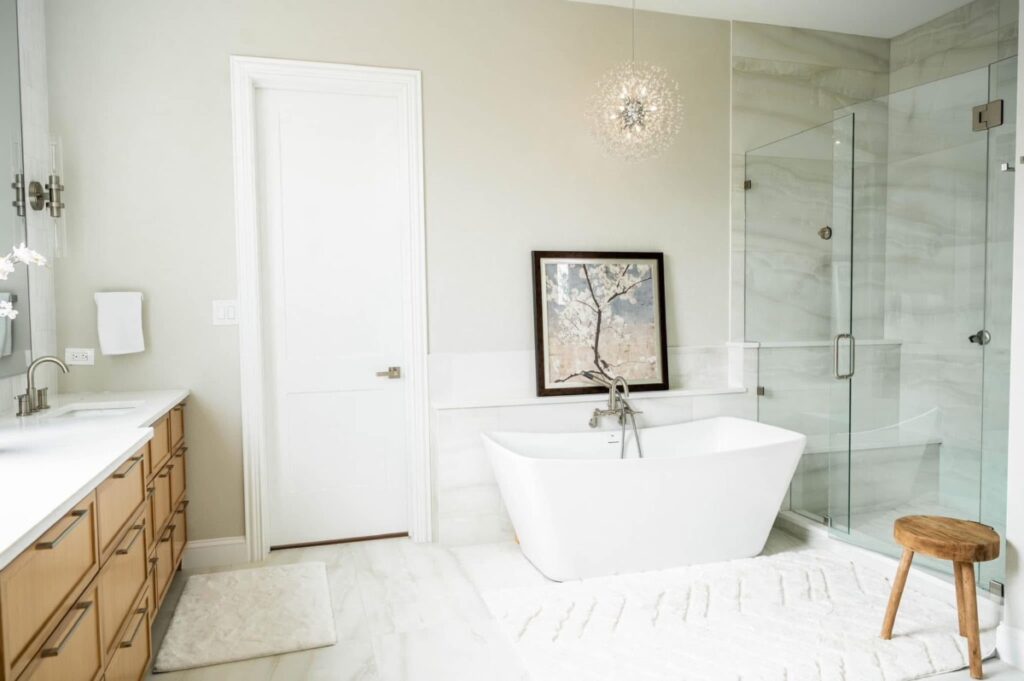
Freestanding Bathtubs: Benefits, Design Options, and Installation Considerations
Freestanding bathtubs have become a popular feature in bathroom remodeling because they combine visual appeal with a relaxing bathing experience. Unlike traditional built-in tubs, freestanding models are finished on all visible sides and do not require installation against a wall.
However, their suitability depends on the available floor space, plumbing configuration, and how the bathroom will be used.
What Are the Benefits of a Freestanding Bathtub?
The biggest benefit of a freestanding bathtub is its ability to create an attractive focal point while providing a comfortable place to unwind.
These tubs come in various shapes, sizes, and materials, making them adaptable to different bathroom designs.
Key benefits include:
- Elegant appearance: A freestanding tub can instantly give a bathroom a more sophisticated, spa-inspired look.
- Design flexibility: Depending on plumbing and clearance requirements, these tubs can be positioned in different areas of the bathroom.
- Comfortable soaking: Many models feature deeper basins designed for relaxing baths.
- Variety of styles: Options range from traditional clawfoot tubs to sleek, contemporary oval designs.
- Potential buyer appeal: An attractive soaking tub may appeal to buyers who appreciate luxury bathroom features, although it does not guarantee increased resale value.
For homeowners looking to create a peaceful retreat, a freestanding soaking tub can be a beautiful addition to a bathroom renovation.
How Much Space Do You Need for a Freestanding Tub?
A freestanding bathtub needs enough room for the tub itself, safe access, and convenient cleaning around the fixture.
Many freestanding tubs measure approximately 55 to 72 inches long, although compact and oversized options are available. The tub’s actual footprint is only one part of the space-planning process.
Before selecting a bathtub, consider:
- Walking space: Leave enough room to move comfortably around the bathtub without obstructing doors, vanities, or other fixtures.
- Cleaning access: Allow sufficient clearance between the tub and surrounding walls to clean difficult-to-reach areas.
- Plumbing placement: Determine whether existing water supply and drain lines can accommodate the desired location.
- Bathroom layout: Make sure the tub does not interfere with shower access, storage, or other daily activities.
A professional bathroom remodeling contractor can evaluate the space and help determine which bathtub dimensions and placement options make sense.
For smaller bathrooms, a compact freestanding tub may be possible, but a built-in bathtub often makes more efficient use of limited floor space.
Are Freestanding Tubs Harder to Clean and Maintain?
Freestanding tubs can require more cleaning than traditional built-in bathtubs because their exposed exterior surfaces and surrounding floor areas need attention.
The amount of maintenance depends largely on the tub’s material, shape, and placement.
For example, a tub installed very close to a wall may create a narrow gap that is difficult to reach. A model with smooth sides and adequate surrounding clearance is generally easier to maintain.
Tips for keeping a freestanding tub looking its best:
- Wipe down the tub after use to reduce soap residue and water spots.
- Use cleaning products recommended by the bathtub manufacturer.
- Keep the floor around the tub dry to help prevent moisture problems.
- Regularly inspect visible plumbing connections for signs of leaks.
- Avoid abrasive cleaners that could damage the bathtub’s finish.
Acrylic freestanding tubs are popular because they are relatively lightweight and generally easy to clean. Cast iron and stone resin options offer different aesthetic and performance characteristics but may require additional structural considerations.
Choosing the right material and installation location can make long-term maintenance much easier.
What Should You Know About Freestanding Tub Installation?
Installing a freestanding bathtub may require plumbing modifications, floor preparation, and careful planning to ensure proper drainage and stability.
Unlike a standard alcove tub, a freestanding model may need a floor-mounted faucet or specially positioned wall-mounted plumbing.
Important installation considerations include:
Plumbing requirements: Existing drain and water supply locations may need adjustments depending on the bathtub’s placement.
Floor support: Heavy materials, particularly cast iron and certain stone-based tubs, may require an evaluation of the floor structure.
Faucet selection: Floor-mounted tub fillers create a distinctive appearance but can increase installation complexity and cost.
Waterproofing: Proper sealing, appropriate flooring materials, and attention to surrounding moisture exposure help protect the bathroom.
Professional installation is especially important when relocating plumbing or installing a heavy bathtub. An experienced contractor can help coordinate the necessary work and ensure the finished space is both attractive and functional.
Is a Freestanding Tub Better Than a Built-In Bathtub?
A freestanding tub is often better for homeowners who prioritize relaxation and bathroom aesthetics, while a built-in bathtub may be more practical for families, smaller bathrooms, or spaces requiring a shower-and-tub combination.
Here’s how the two options compare:
| Feature | Freestanding Tub | Built-In Tub |
|---|---|---|
| Appearance | Decorative focal point | Integrated design |
| Space requirements | Often needs more clearance | Efficient use of space |
| Installation | May require plumbing changes | Often simpler when replacing an existing tub |
| Cleaning | Exterior and surrounding floor need cleaning | Fewer exposed surfaces |
| Shower combination | Less convenient | Common and practical |
| Soaking experience | Many deep soaking options | Depends on model |
Neither option is automatically better for every homeowner.
If you love long, relaxing baths and have the space available, a freestanding soaking tub may be an excellent investment in your daily comfort.
However, if your bathroom serves multiple family members or needs to accommodate young children, a traditional built-in bathtub may offer greater everyday convenience.
Frequently Asked Questions About Freestanding Tubs
Do freestanding tubs add value to a home?
Freestanding tubs may improve a bathroom’s visual appeal and attract buyers interested in luxury features. However, their impact on resale value depends on buyer preferences, the overall bathroom design, and whether the home retains practical bathing options.
Can you put a freestanding tub in a small bathroom?
Yes, some compact freestanding tubs are designed for smaller bathrooms. However, you still need adequate clearance, accessible plumbing, and enough room to move comfortably around the fixture.
Are freestanding tubs more expensive to install?
Freestanding tubs can cost more to install when they require relocated plumbing, specialty faucets, or additional floor preparation. The final cost depends on the bathtub, existing bathroom conditions, and installation requirements.
Can a freestanding bathtub have a shower?
Yes, certain freestanding tubs can accommodate shower fixtures with an appropriate curtain or enclosure. However, they are generally less convenient for everyday shower use than traditional tub-and-shower combinations.
Ready to Transform Your Bathroom With a Freestanding Tub?
A freestanding bathtub can be a beautiful addition to your home, creating a relaxing space that combines comfort with timeless style. The key is choosing a design that fits your bathroom, lifestyle, and long-term needs.
At Lone Star Boys Contracting, we’re here to help you explore your bathroom remodeling options and bring your vision to life. Whether you’re interested in a luxurious freestanding soaking tub or a complete bathroom transformation, our team is committed to delivering quality workmanship and a finished space you’ll love.
Ready to start your bathroom remodel? Contact Lone Star Boys Contracting today to discuss your project!